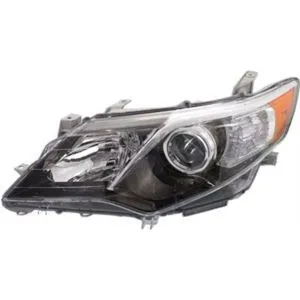
The foreign trade of auto parts features a complex and intricate supply chain, fraught with unique characteristics and challenges. One of the primary traits is the multinational nature of the supply chain. Components often originate from various countries, involving multiple suppliers, logistics providers, and regulatory environments. This complexity is further exacerbated by the need for parts to cross borders several times before reaching the final assembly stage. Each cross - border movement incurs costs, including tariffs, customs duties, and transportation fees, while also exposing goods to risks such as delays, damage, and regulatory scrutiny. To address these issues, enterprises are increasingly turning to digital supply chain management. The "full - container export + overseas warehouse" model has emerged as an effective solution. By exporting goods in full containers, companies reduce per - unit shipping costs. Overseas warehouses enable faster delivery to local customers, reducing inventory holding times and improving turnover efficiency. Digital tools also allow for real - time tracking of inventory levels, orders, and shipments, facilitating better demand forecasting and resource alokasi .
Tata letak rantai pasokan regional sama pentingnya . menetapkan basis produksi di daerah seperti Meksiko dapat membantu perusahaan menghindari tarif, terutama ketika menargetkan pasar Amerika Utara . produksi lokal tidak hanya mengurangi biaya transportasi, tetapi juga perusahaan untuk meningkatkan peraturan (2 tahun. strive for the localization of key processes, hiring local talent, and integrating into the local industrial ecosystem. This approach not only reduces costs but also strengthens the company's resilience in the face of trade policy changes and global economic fluctuations. In conclusion, effective supply chain management and optimization are essential for success in the foreign trade of auto parts. Through digitalization and Tata letak regional strategis, perusahaan dapat menavigasi kompleksitas pasar global, mengurangi biaya, dan meningkatkan daya saing .